
The rise of new energy vehicles presents new opportunities for CNC programming in precision machiningIssuing time:2025-07-22 17:24Source:Gongming UG CNC programming training In recent years, the global automotive industry has been undergoing a profound energy revolution. The explosive growth of new energy vehicles has not only reshaped the traditional manufacturing landscape but also spurred innovative opportunities in the precision machining sector upstream of the industry chain. As one of the core technologies in modern manufacturing, CNC (Computer Numerical Control) programming is playing a pivotal role in this transformation. Its high precision and flexibility perfectly align with the stringent requirements for components in new energy vehicles, paving a new technological path for the industry. 1. The boom of new energy vehicles has given rise to new demands for precision machining According to data from the China Association of Automobile Manufacturers, China's new energy vehicle (NEV) sales surpassed 9.5 million units in 2024, with a penetration rate exceeding 35%, of which pure electric vehicles accounted for 72%. This exponential growth has directly driven a surge in demand for core components such as motor housings, battery module structural parts, and precision components of electronic control systems. Compared to traditional fuel vehicles, the processing precision requirements for components in the NEV's three-electric system (battery, motor, and electronic control) have increased by an order of magnitude - for example, the coaxiality of the motor rotor needs to be controlled within 0.005mm, and the flatness error of the aluminum alloy frame of the battery module must not exceed 0.02mm/㎡. This micron-level precision threshold makes traditional processing methods difficult to meet mass production demands. The five-axis CNC machine tool with submicron-level repeatability and advanced programming technology has become an inevitable choice for breaking through in the industry chain. 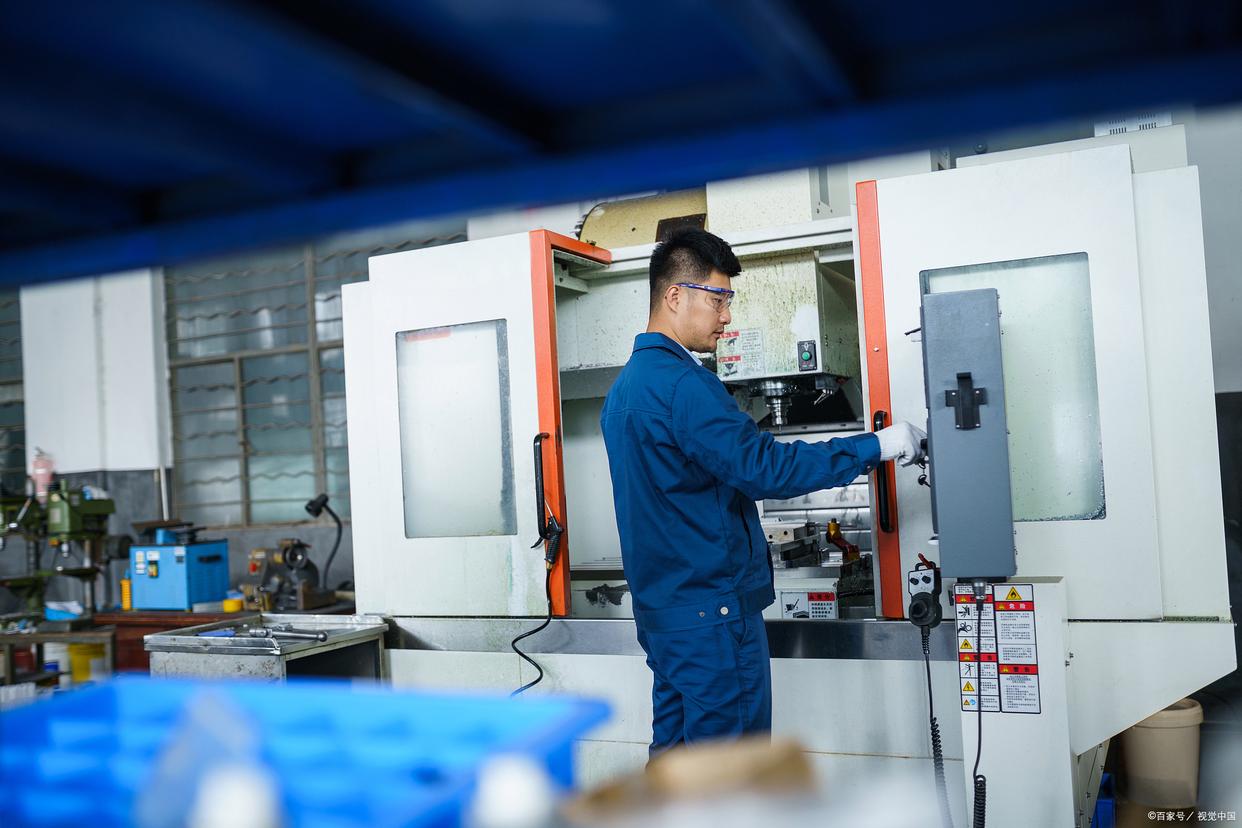 II. Key breakthrough directions in CNC programming technology In the processing practice of new energy vehicle components, CNC programming is undergoing three major technological iterations: 1. Smart Process Chain Integration: Through the deep integration of CAM software (such as PowerMill, Hypermill) with the PLM system, programmers can directly access 3D model data of battery packs, automatically generating optimized tool paths specifically for 6061-T6 aluminum alloy. After adopting this technology, a leading battery company saw a 40% increase in battery tray processing efficiency and a 28% reduction in tool wear. 2. Composite machining programming: For body structural parts formed by integrated die casting, multi-task machines (MTM) need to simultaneously complete milling, turning, and drilling processes. The latest dynamic programming technology can achieve real-time matching between spindle speed and feed rate. For example, when machining motor end covers, AI algorithms dynamically adjust cutting parameters to maintain the surface roughness below Ra0.8. 3. Digital Twin Verification: The virtual debugging function provided by platforms such as Siemens NX can predict potential issues such as tool vibration and thermal deformation during the programming stage. After applying this technology, a certain electric drive enterprise compressed the trial production cycle from 14 days to 72 hours, and the scrap rate dropped to 0.3%. III. Deepening application scenarios in specific fields 1. Processing of electric drive system: The stator core of a permanent magnet synchronous motor is made by laminating 0.35mm thick silicon steel sheets. Traditional wire cutting is inefficient. Now, through customized macro program control of a precision punching CNC unit, a punching speed of 200 sheets per minute can be achieved, with burr height controlled within 5μm. 2. Battery structural component manufacturing: CATL's latest CTP battery pack adopts a 21700 cell module design, and its aluminum alloy end plates must simultaneously meet the requirements for lightweight (wall thickness of 1.2mm) and impact resistance. The use of a five-axis machine tool combined with 3D contour compensation programming technology ensures that the machining deformation of thin-walled components is less than 0.05mm. 3. Charging system components: The copper electrode of the liquid-cooled charging gun has mirror-finish requirements (Ra0.2) for the conductive contact surface. The use of ultrasonic vibration-assisted machining technology combined with precision CNC programming can reduce the processing time for a single piece from 45 minutes to 18 minutes. 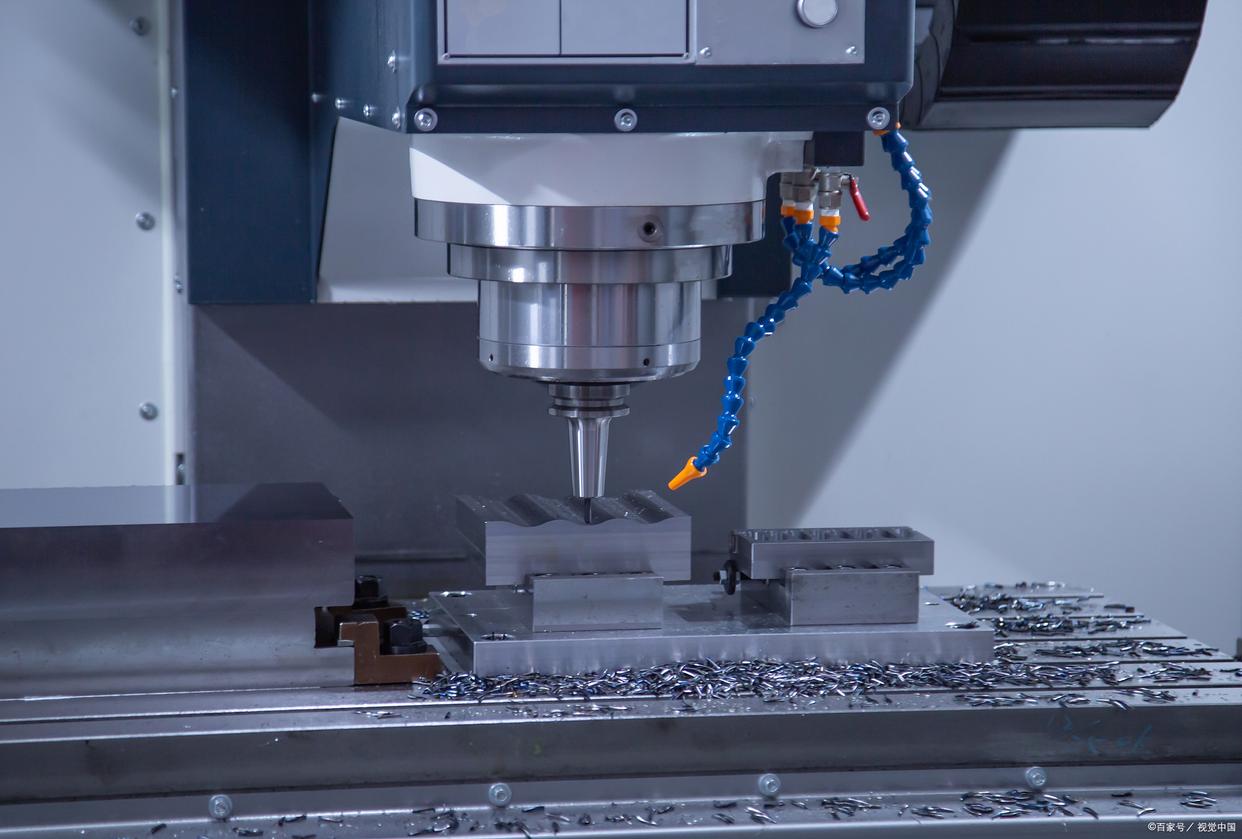 IV. Practical Paths for Collaborative Innovation in the Industrial Chain Facing the rapid iteration characteristics of new energy vehicles, leading enterprises are establishing an agile response system encompassing "design-programming-manufacturing": BYD adopts a modular programming database to store the processing experience of over 8,000 types of motor housings in a parameterized manner, which has increased the programming efficiency of new model components by 60%; The AI programming system deployed at Tesla's Shanghai factory can automatically optimize G-code based on the real-time status of the machine tool, enabling the daily production capacity of Model Y rear motor housings to exceed 5,000 pieces; The dedicated post-processing system jointly developed by Bosch and Fanuc can directly convert STEP-NC files into robotic grinding instructions, enabling unmanned precision machining of reducer housings. V. Demand for upgrading talent structure and technological ecosystem 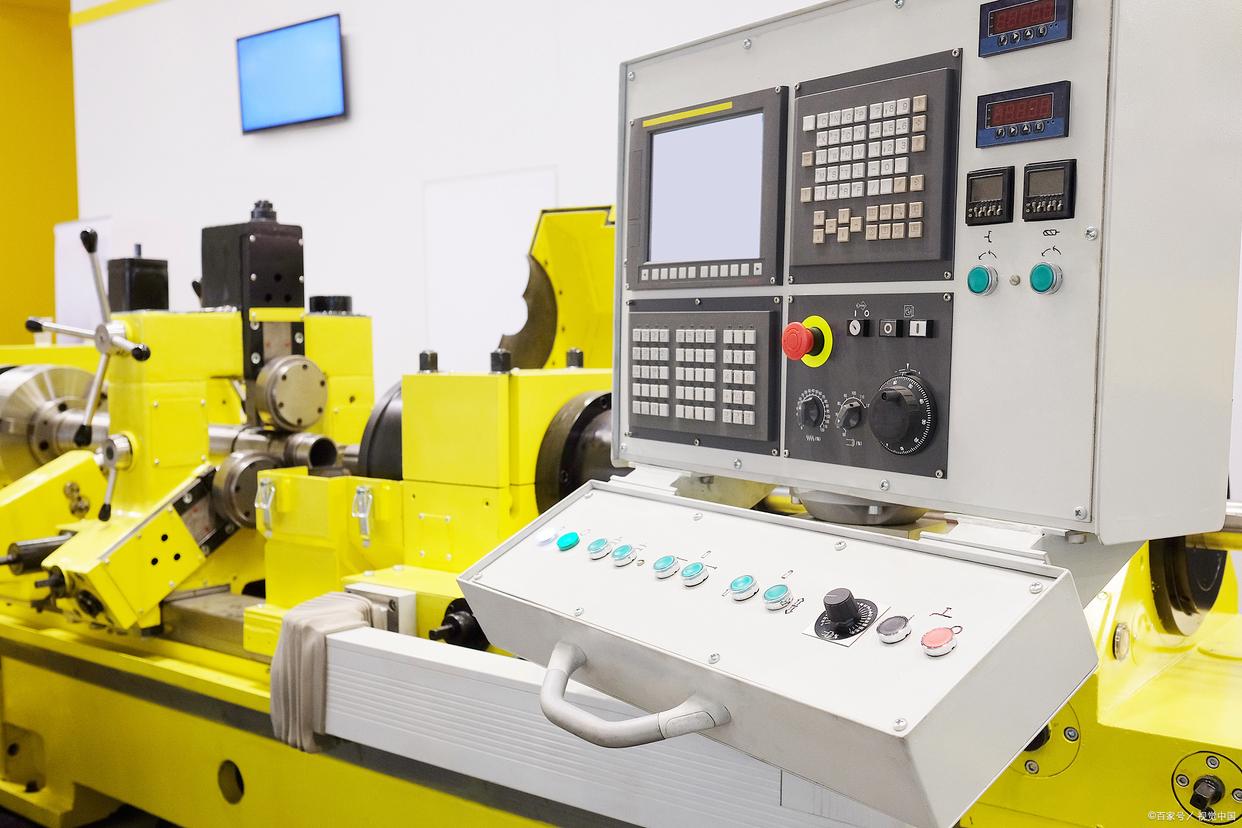 Industry research shows that CNC programming engineers with experience in processing new energy vehicle components earn 35%-50% more than those in traditional fields, yet the talent gap still exceeds 80,000 people. Composite abilities have become a rigid requirement: not only must they master hard skills such as macro programming and multi-axis linkage strategies, but they also need to understand product knowledge such as battery thermal management and motor electromagnetic design. Targeted reforms have emerged in the field of vocational education, such as the "Precision Machining for New Energy Vehicles" curriculum system developed by Shenzhen Polytechnic, which combines practical training on dismantling the three-electricity system with Mastercam programming training. Graduates can earn a starting salary of up to 12,000 yuan per month. In the next three years, with the commercialization of technologies such as 800V high-voltage platforms and solid-state batteries, new energy vehicle components will evolve towards higher integration and more complex geometric shapes. This poses new challenges for CNC programming, such as nanometer-level precision control and nonlinear material processing. Enterprises that are the first to master cutting-edge technologies such as intelligent programming and digital twins will have a first-mover advantage in the new round of industrial upgrading, and cross-domain collaborative innovation will become the core driving force to break through the technological ceiling. This manufacturing revolution, driven by the end market, is redefining the value boundaries of precision machining - evolving from a mere guarantor of dimensions to an enabler of product performance. |

0755-23726944
wcd001@mzwcda.com